Mindfulness: A Gentle Way to Come Back to Now
Mindfulness isn't about emptying your head or sitting for an hour. It's much smaller and kinder than that. It's noticing where you are right now, and coming back when you've wandered off, which you will, again and again. The coming back is the whole practice.


In short
Mindfulness is gently noticing the present moment, your breath, a sound, your feet on the floor, and softly returning your attention each time it drifts. The wandering is part of it, not a failure.
- Pay attention to now, without judging it as good or bad.
- Your mind will wander, and that's completely fine.
- A few minutes most days does more than a rare long sit.
You're reading this sentence, and somewhere in the background your mind is half on the next thing. What's for dinner. That message you didn't reply to. Something you said three years ago that still makes you wince.
That's normal. The mind spends most of its time anywhere but here.
Mindfulness is simply the practice of noticing that, and coming home to now. Not forever. Just for this moment, and then the next one when you remember again.
What mindfulness actually is (and isn't)
Let's set aside the incense-and-mountaintop image first, because it puts a lot of people off.
Mindfulness is paying attention, on purpose, to what's happening right now, without rushing to judge it as good or bad. Your breath moving in and out. The weight of your body in the chair. The sound of rain, or traffic, or the fridge humming.
When your attention slides off, and it will, in seconds, you notice that it has, and you bring it back. Gently. No telling-off.
It is not clearing your mind. It is not feeling blissfully calm on command. It is not something you can fail at by thinking too much.
People quit early because they expect silence inside their heads, get the usual chatter, and decide they're "bad at it." But the chatter isn't the problem. It's the raw material. Without the wandering, there'd be nothing to practice returning from.
Why it helps a busy mind settle
Here's the quiet mechanism underneath it. Most of our worry lives in two places: the replayed past and the imagined future. Regret loops backward, worry races ahead.
The present moment, the actual one you're in, is usually far kinder than the stories your mind tells about it.
When you stop bracing against an experience and simply notice it, a layer of struggle often softens. The resistance, the "this shouldn't be happening", begins to ease. The feeling is still there. You're just not fighting it as hard.
Practiced a little over time, this same skill takes some of the weight out of ordinary stress. The anxious thought still arrives. But you start to see it as a thought, passing through, rather than a command you have to obey.
You're already more able to do this than you think
You've had mindful moments without naming them. The first sip of coffee when you actually taste it. A song that pulls you fully in. Looking up and realizing the sky is doing something beautiful.
Those are mindfulness. Present, absorbed, not narrating.
The practice just makes that state something you can return to on purpose, instead of waiting for it to arrive by luck.

Small ways to practice (no cushion required)
You don't need to carve out a special hour. Mindfulness fits into the cracks of a normal day:
- Three breaths. Before you open your laptop, or at a red light, take three slow breaths and feel each one. That's a complete practice.
- One sense, on purpose. While the kettle boils, just listen. While you wash your hands, feel the warmth of the water. Give one sense the spotlight for thirty seconds.
- Name it to soften it. When a feeling rises, quietly name it: "this is worry," "this is frustration." Naming a feeling creates a tiny gap between you and it, and in that gap you have a choice.
- Feet on the floor. Whenever you feel scattered, drop your attention to the soles of your feet and the ground holding you up. It's hard to spin and feel your feet at the same time.
If you'd like a little structure, a breathing practice is the easiest doorway in. The breath is always with you, so it makes a reliable anchor. The steady square of box breathing is a lovely place to begin.
When your mind wanders (every single time)
This is the part worth keeping close: the wandering is not the mistake.
You'll sit down to follow your breath and three seconds later you'll be planning a grocery list or rehearsing a conversation. Good. The instant you notice you've wandered, you've done the practice.
Bring your attention back with the same patience you'd use guiding a sleepy child back to bed. Then it'll wander again, and you'll bring it back again.
That loop, drift, notice, return, is the exercise. There's no version where it stops happening, only versions where you return more kindly.
You don't have to quiet your mind. You only have to keep coming back to it, gently, as many times as it takes.
A few gentle notes
Mindfulness is soft, but it isn't nothing. If you sit quietly and tender feelings rise up, that's common. Stillness can let things surface that the day's noise was covering.
Start short. Keep your eyes softly open if closing them feels uneasy. And you never have to sit with overwhelming feelings alone.
For some people, especially anyone carrying older hurt, long silent practice can feel unsteadying, and movement-based or grounding practices are a kinder place to begin. If anything you try here leaves you feeling worse rather than steadier, gently stop, and consider talking it through with someone you trust. Mindfulness is a support, not a replacement for care you might need.
Where to go next
If your mind tends to race, start with breathing exercises for anxiety, a handful of simple techniques you can use the moment things tighten.
If your thoughts are spinning, grounding techniques bring you back into the room through your senses.
And when you feel ready for a slightly longer sit, meditation for beginners shows you a gentle place to start. You can also let the app guide you, the breathe and meditate space has short sessions for exactly these moments.
Come back to now. Then come back again. That's all this ever asks of you.
Take away
- Mindfulness is noticing the present, then returning when you drift.
- You can't fail at it by thinking too much, the chatter is the raw material.
- Small moments count: three breaths, one sense, your feet on the floor.
- Be gentle. The point is the kind return, not a quiet mind.
Guides & practices
Keep exploring mindfulness

Body Scan Meditation: A Gentle Tour of Calm
Body scan meditation guides your attention slowly through the body, softening tension as you go. A soothing, step-by-step way to practice and settle in.
Read→
5 Minute Meditation: A Small Pause That Helps
A 5 minute meditation is enough to soften a busy day. Here's a simple, soothing practice you can do anywhere, even in the middle of everything you juggle.
Read→
Guided Meditation for Sleep: Gently Drift Off
Guided meditation for sleep can soften a busy mind at bedtime. Here's a calm, step-by-step practice to help you unwind and let sleep gently come to you.
Read→
How to Calm Down Quickly: Steps That Work
How to calm down quickly when everything feels like too much, simple, soothing techniques you can lean on anywhere to steady a racing moment in minutes.
Read→
Journaling vs Meditation: Which Calms You?
Journaling vs meditation, compared warmly and honestly. What each is best for, when to choose which, and how to combine them for a quieter, steadier mind.
Read→
Meditation for Anxiety: A Soft Place to Land
Meditation for anxiety offers a gentle way to settle a restless mind. Here's a calm, simple practice you can lean on whenever your thoughts feel busy.
Read→
Grounding Techniques: 5-4-3-2-1 and More
Gentle grounding techniques for anxiety, including 5-4-3-2-1, simple, senses-based ways to come back to the present when your mind starts to spin fast.
Read→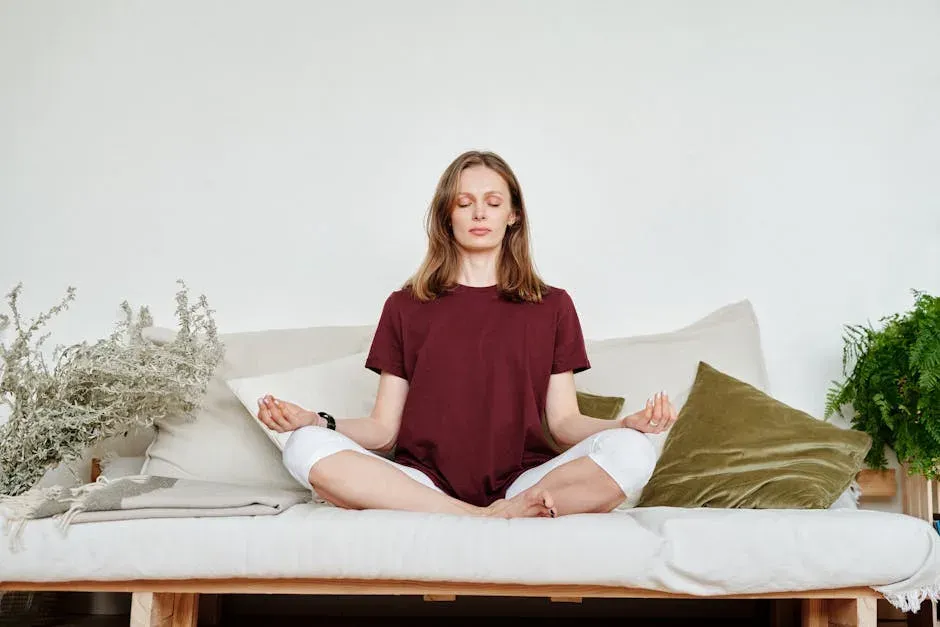
Meditation for Beginners: A Gentle Start
Meditation for beginners, made simple: what it really is, a soft step-by-step first sit, and how to keep going when your mind wanders, as it will.
Read→
4-7-8 Breathing for Sleep and Calm
The 4-7-8 breathing technique, in for 4, hold for 7, out for 8, gently eases stress and helps you fall asleep. Here are the soothing steps to use it well.
Read→
Box Breathing: The 4-4-4-4 Calming Method
Box breathing is a simple 4-4-4-4 technique to calm down fast. Here are the steps, why it works, and when to use it, trusted by nurses and Navy SEALs alike.
Read→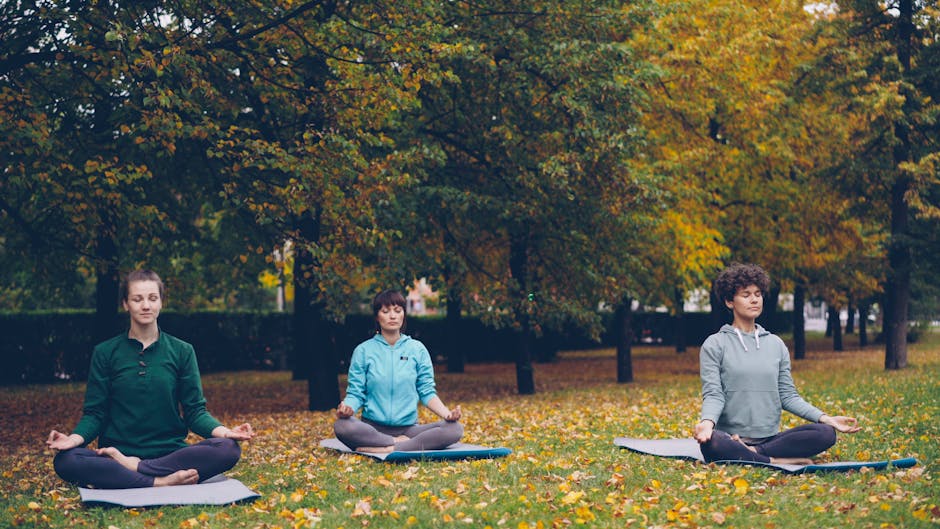
6 Breathing Exercises for Anxiety, Try Right Now
Six simple breathing exercises for anxiety, each with clear, soothing steps you can follow the moment your chest feels tight or your thoughts start to race.
Read→Frequently asked
- What is mindfulness, in plain terms?
- Mindfulness is paying attention to the present moment without piling judgment on top of it. You notice your breath, a sound, the feel of your feet on the floor, and when your mind drifts to the past or the future, you gently bring it back. You don't have to feel calm or clear-headed for it to be working.
- How long do I have to practice for it to help?
- Less than you'd guess. A few minutes a day, done most days, does more than a rare half-hour. Even three slow breaths where you're actually present count. Short and frequent gently beats long and occasional, especially when you're starting.
- I can't stop thinking, am I doing it wrong?
- No. Thinking is what minds do, and you're not meant to switch it off. Mindfulness isn't a quiet mind, it's a noticed one. Every time you catch yourself lost in thought and return to the present, that's the practice. The wandering is the part that gives you something to come back from.
Ready to start journaling?
Let it be... gives you guided prompts, mood tracking and breathing exercises in one calm app.